United States
AT&T, T-Mobile and Verizon sign satellite joint venture agreement
The three carriers have moved beyond their May agreement in principle and appointed interim leadership. They aim to expand direct-to-device connectivity, but have set no customer launch date.
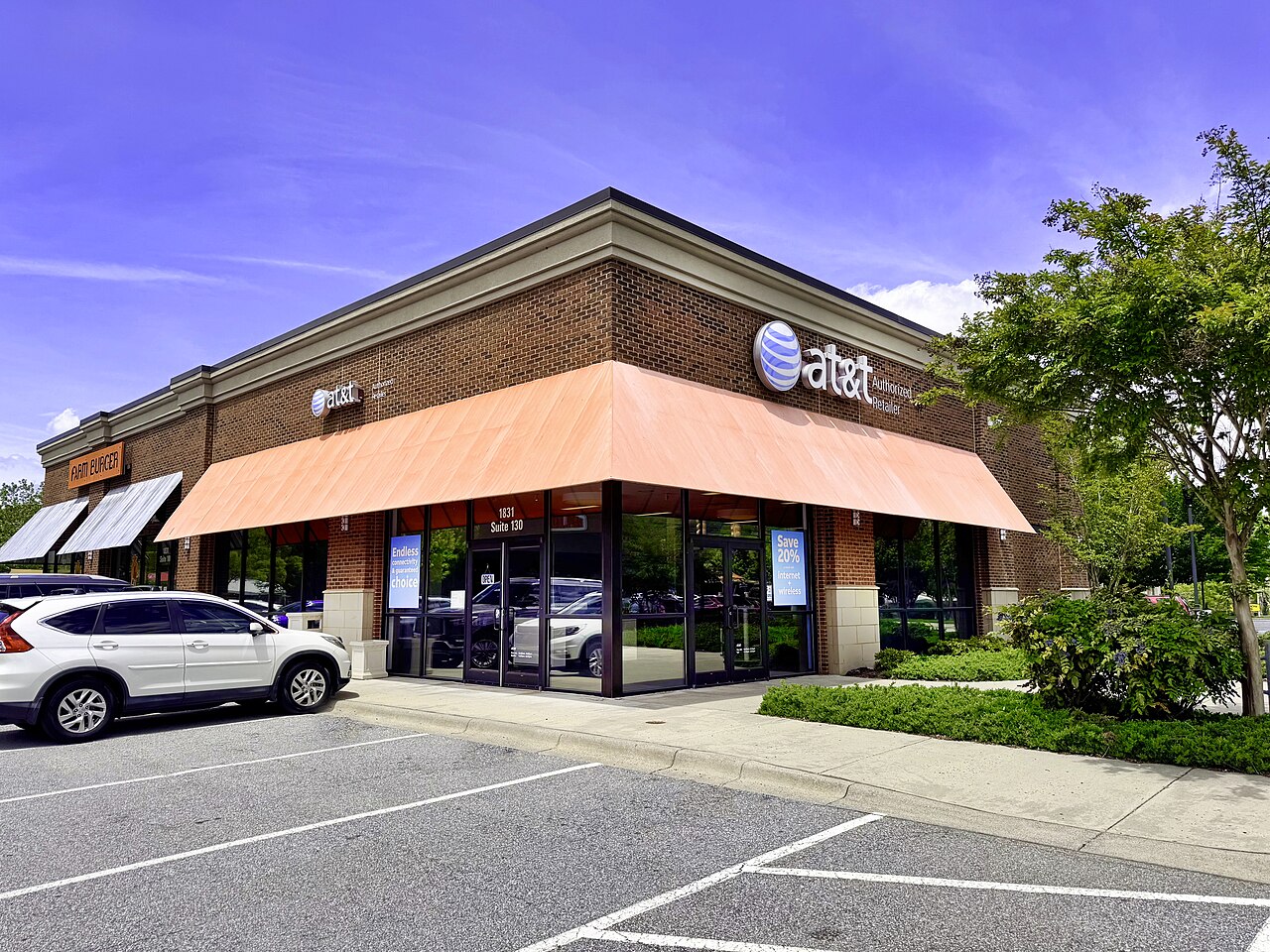
AT&T, T-Mobile and Verizon said on October 1 that they had entered into a joint venture agreement to expand satellite-enabled mobile connectivity in US areas with limited or no terrestrial coverage. This is a concrete step beyond the agreement in principle announced in May: the carriers now have a formal agreement, have named Paul Roth interim chief executive and will each have a representative on the board. For customers, however, the announcement does not launch a new service or set a date when they can use one. [1][2][3]
The initiative focuses on direct links between phones and satellites when a terrestrial cell tower cannot be reached. The carriers previously proposed pooling limited spectrum resources, meaning the licensed radio frequencies used to carry signals. Combining those resources and developing common technical specifications is intended to make integration easier for satellite providers and device makers. That is an interoperability plan, not measured new coverage or a feature currently available on every phone. [1][2]
Roth will lead the venture while it searches for a permanent CEO. The companies say he previously held positions at AT&T, Cingular Wireless and Ameritech. A board with representatives from all three founders will oversee the organization. The announcement does not name an exclusive satellite provider for this venture, disclose committed investment or customer pricing, list compatible devices, or give an activation schedule. These omissions matter when assessing how soon the partnership could become a commercial product. [1][3]
The companies say the venture could reduce dead zones, provide backup connections during emergencies, and create opportunities for rural carriers and multiple satellite providers. These are the partners' objectives, not measured outcomes. They also say their individual satellite agreements will remain in force. In May, their executives had already described the need to resolve compatibility issues involving devices, interfaces and spectrum while continuing separate projects. Signing the new agreement does not establish that those technical obstacles have been solved. [1][4]
The development matters because three nationwide competitors are trying to coordinate a scarce resource to extend service beyond their terrestrial networks. The signature and interim appointment give structure to a proposal that was previously preliminary. The next verifiable steps are identifying technical partners, access terms and a working offer. Until then, the business ambition must be separated from customer experience: no added coverage attributable to this venture has been published or independently measured, and there is no confirmed date for customers to buy its service. [1][2][3]
Sources
- [1] Comunicado de AT&T, T-Mobile y Verizon distribuido por PR Newswire, 01/10/2026
- [2] SDxCentral — acuerdo formal y dirección interina, 01/10/2026
- [3] Android Authority — sin fecha de disponibilidad para clientes, 01/10/2026
- [4] SDxCentral — declaraciones de los directivos sobre el plan inicial, 21/05/2026
Explore with AI
External tools. Their answers are not editorial content verified by TelcoBrief and may contain errors.