Latin America
Brazil consults on 6 GHz auction with coverage and data-centre obligations
The proposal combines national and regional lots for mobile operators. A consultation is neither an award nor a deployed network.
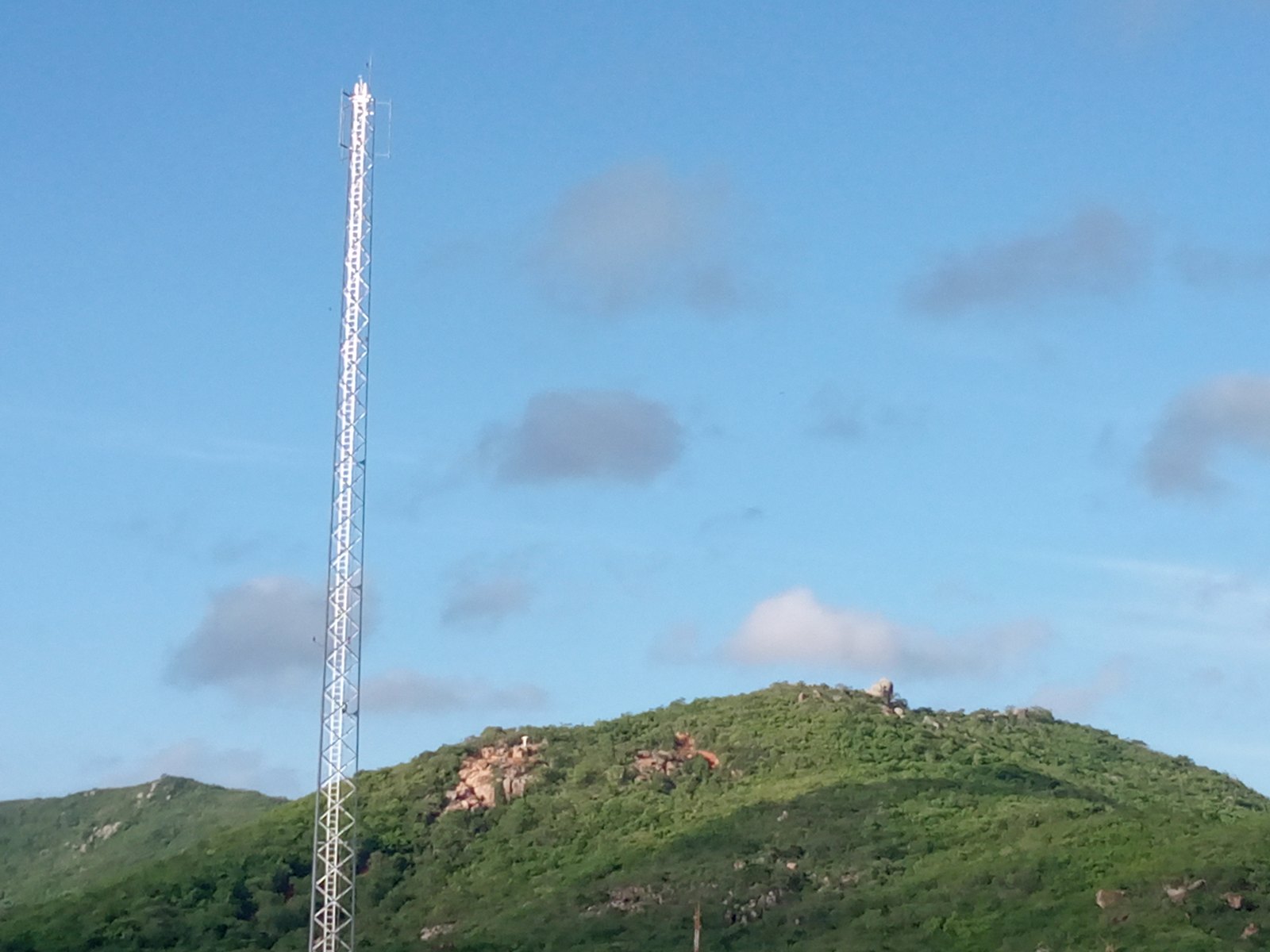
Brazil opened a public consultation on September 8 over a proposed auction of the upper 6 GHz band. Regulator Anatel proposes assigning the frequencies to operators alongside coverage, transport-network and regional data-centre commitments. The design could shape future mobile-network capacity and the cost of competing for spectrum. It is still a draft, not a final tender or an award of frequencies. [1] [2]
The draft covers 6,425 to 7,125 MHz: 700 MHz of spectrum split into three 200 MHz blocks and one 100 MHz block. Rapporteur Alexandre Freire told TELETIME that two 200 MHz blocks would be national and the other two regional. The stated aim is to preserve nationwide scale without reserving the whole band for established major groups. That distribution may still change after consultation. [1] [2]
The proposed band is principally suited to adding capacity where traffic is dense; it does not reach as far as lower frequencies. Anatel therefore separates rights to use 6 GHz from commitments to serve underserved places. Freire said the proposed technology floor for those obligations is LTE Advanced, an evolution of 4G, and that 5G could also meet it. Opening a consultation does not itself create such coverage. [1] [2]
To demonstrate compliance with certain coverage obligations, the draft would require operators to build their own radio sites; roaming or a virtual operation on another carrier’s network would not suffice. Freire said the objective is additional physical infrastructure. This is a proposed rule, not a requirement already imposed on winners: there has been no auction, accepted bid or winning operator. [2]
Another part of the model would direct auction-linked resources to data centres and interconnection in Brazil’s North, Northeast and Centre-West. Anatel proposes regional hubs and smaller facilities near inland towns, with open, non-discriminatory access. The regulator argues that bringing processing and traffic exchange closer could shorten data routes; it has not reported measured latency gains from facilities that have yet to be built. [1] [2]
Anatel plans an auction by 2028, but that is a planning forecast subject to the regulatory process. Public comments may change the lots, commitments and technical terms before a final notice is approved. For now, the verified event is the start of a regulatory debate. Describing the draft as a completed auction or as new commercial coverage would misstate its status. [1] [2]
Sources
Explore with AI
External tools. Their answers are not editorial content verified by TelcoBrief and may contain errors.