Latin America
Mexico opens industrial-network spectrum tender across 72 regions
The CRT is offering 60 MHz in the 2.3 GHz band for specialized networks. Tender rules are public, but no spectrum has yet been awarded and no service launched under this process.
Mexico’s Telecommunications Regulatory Commission has published the call and rules for tender CRT-RRI-01-2026, aimed at intelligent radio networks. The process offers 60 MHz in the 2.3 GHz band to provide capacity for productive sites. Its first phase covers 72 industrial regions; a second phase could offer defined polygons if spectrum remains. Publication of the final rules is the new development. No bidder has won frequencies and no commercial network has resulted from this tender yet. [1][2]
The final design provides for three 20 MHz blocks in each industrial region. The regulator envisages ten-year concessions and allows an eventual winner to defer delivery of its licence by up to one year while preparing studies, procedures or infrastructure. That flexibility is not a service launch date. The timetable and official documents are available on the CRT portal. Interested parties are due to submit their expressions of interest from 19 to 23 October 2026. [1][2]
The tender addresses needs such as automation, sensors and communications inside industrial facilities. It is not, on its own, an auction to extend mass-market mobile coverage. Nor does it mandate one particular 5G architecture: the rules are technology-neutral. This distinction matters because an industrial spectrum licence, even if awarded, does not prove that phone users can access a new commercial 5G service. The actual benefit will depend on which projects bid, receive spectrum and ultimately build networks. [2][3]
El Economista reports that the final version increased the proposed spectrum from 40 to 60 MHz, expanded the industrial map from 60 to 72 regions, and removed a proposed territorial ceiling for polygon-based projects. Its analysis links those changes to different project sizes and competition safeguards. That comparison examines the regulatory design. It does not independently demonstrate that the investment or productivity benefits anticipated by the regulator have already materialized. [2][3]
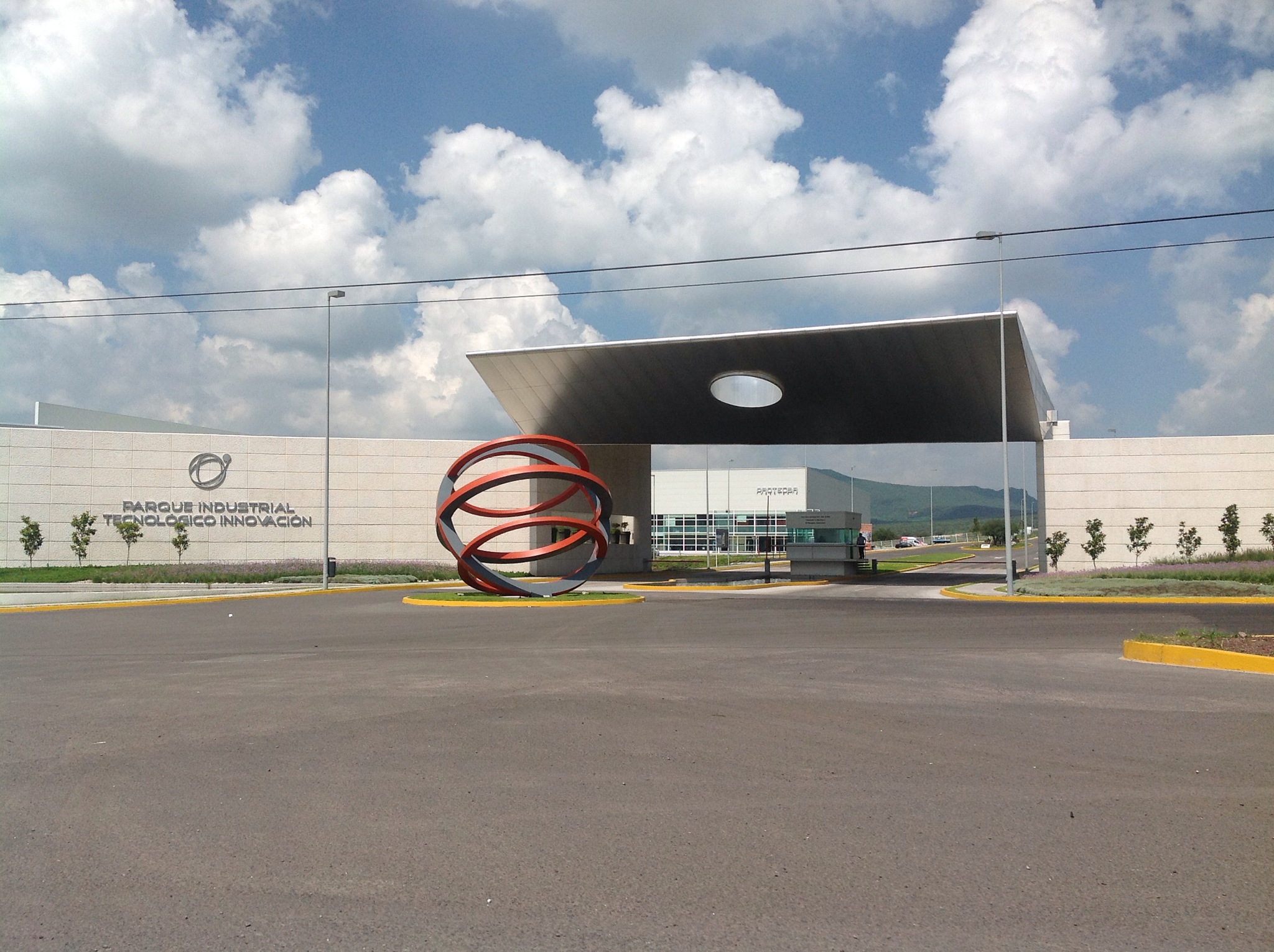
The next questions for operators, integrators and industrial customers are who expresses interest, what offers they submit and which areas they propose to cover. The tender outcome will show whether this design gives specialized providers a viable route into the market or leaves demand unmet. The accompanying 2012 photograph shows an industrial park in Querétaro. It is an archive illustration of a relevant setting, not a facility connected through this tender. [1][2][3]
Sources
Explore with AI
External tools. Their answers are not editorial content verified by TelcoBrief and may contain errors.