Latin America
Virtual operators gain mobile lines through number porting in Colombia
The CRC reported a positive balance of about 17,000 lines for MVNOs in the second quarter. The result coincides with lower wholesale charges, but one quarter cannot establish causation.
Colombia’s mobile virtual network operators received about 17,000 more lines than they lost through number portability from April to June 2026, according to an analysis published on 2 October by the Communications Regulation Commission (CRC). A year earlier their balance had been negative by about 19,000 lines. The reversal matters because these competitors, which offer service over other companies’ networks, gained ground in a market led by operators that own infrastructure. The balance measures transfers of lines, not total customer growth. [1][2]
The quarter saw 1.29 million ports, down 21.4% from the same period of 2025. Portability lets customers keep their number when changing providers. Móvil Éxito gained 8,400 lines on a net basis through this process; ETB gained 6,400, Suma 2,100, Plintron 700 and Liwa 600, according to the CRC. These are rounded figures published by the regulator and should not be added to reconstruct an exact total. [1]
The results coincide with the first full quarter after regulated wholesale access charges fell by as much as 82.2%, effective 1 April. Those charges are payments a virtual operator may face for using another company’s network. A reduction could give it more room to compete commercially, but the CRC itself warns that one quarter cannot prove the lower charges caused the positive balance. Other outlets reported the regulatory figures; their coverage is not a separate measurement. [1][2]
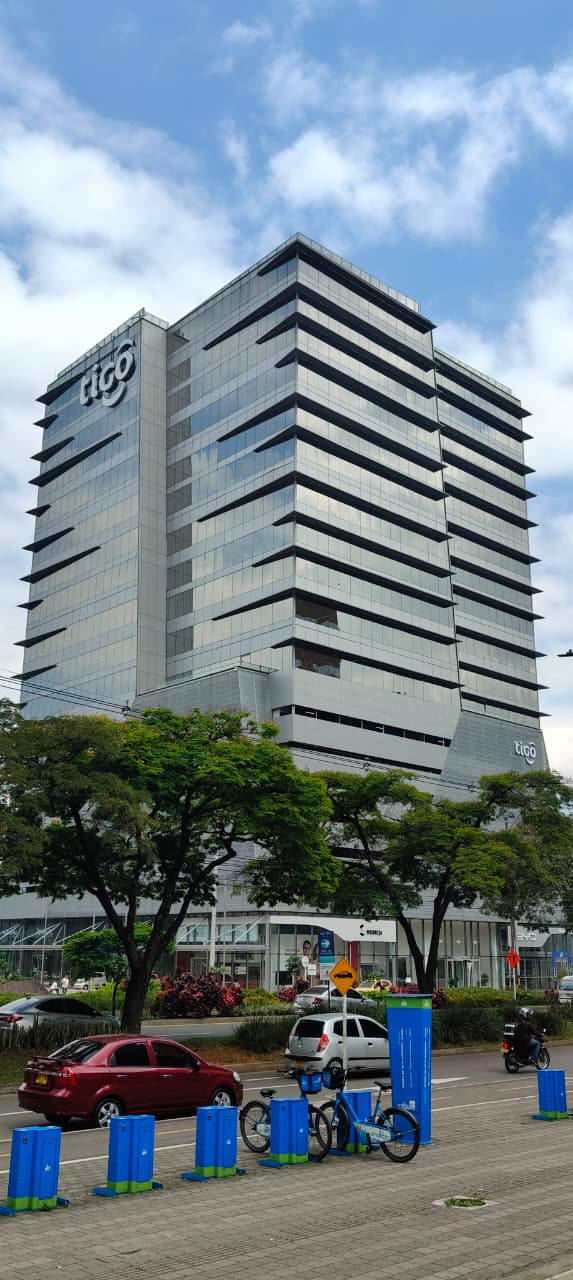
Among network-owning operators, Claro posted a positive balance of 207,700 lines and WOM 50,100. Movistar lost a net 15,800 lines and Tigo 259,100. Tigo and Movistar are shown separately in the report even after the change in Movistar’s operational control announced in February. None of these balances, taken alone, captures all new subscriptions and disconnections at an operator. [1][2]
The CRC also counted 124,400 rejected porting requests, 42.1% fewer than a year earlier; 95.1% of rejections involved applicants who were not the line holder or lacked authorization. Other rules, including a minimum wait before returning to the original operator from September and digital cancellation channels from October, were not fully in force during the measured quarter. Later data will show whether virtual operators sustain their gains and whether barriers to switching continue to fall. [1]
Sources
Explore with AI
External tools. Their answers are not editorial content verified by TelcoBrief and may contain errors.