United States
FCC clears Amazon Leo’s Globalstar purchase; the deal has not closed
The regulator approved transfer of satellite licences and spectrum. The decision advances Amazon’s direct-to-device plans but does not complete the acquisition or launch a new network.
The US Federal Communications Commission (FCC) authorized the transfer of Globalstar’s licences to Amazon on October 27. This is a regulatory step in the agreed $11.57 billion acquisition, not confirmation that the transaction has closed. Globalstar would become an Amazon subsidiary once the deal’s conditions are satisfied. The order identifies Globalstar as a mobile satellite communications provider serving more than 780,000 devices in over 120 countries. [1][2]
Amazon Leo aims to combine its satellite broadband buildout with Globalstar’s spectrum and infrastructure to develop direct-to-device services. That project could let compatible phones connect by satellite beyond terrestrial network reach, but approval of the purchase does not amount to a commercial launch of a new service. The FCC considers improved coverage and emergency communications likely benefits; these are expectations rather than measured results already delivered. [1][2]
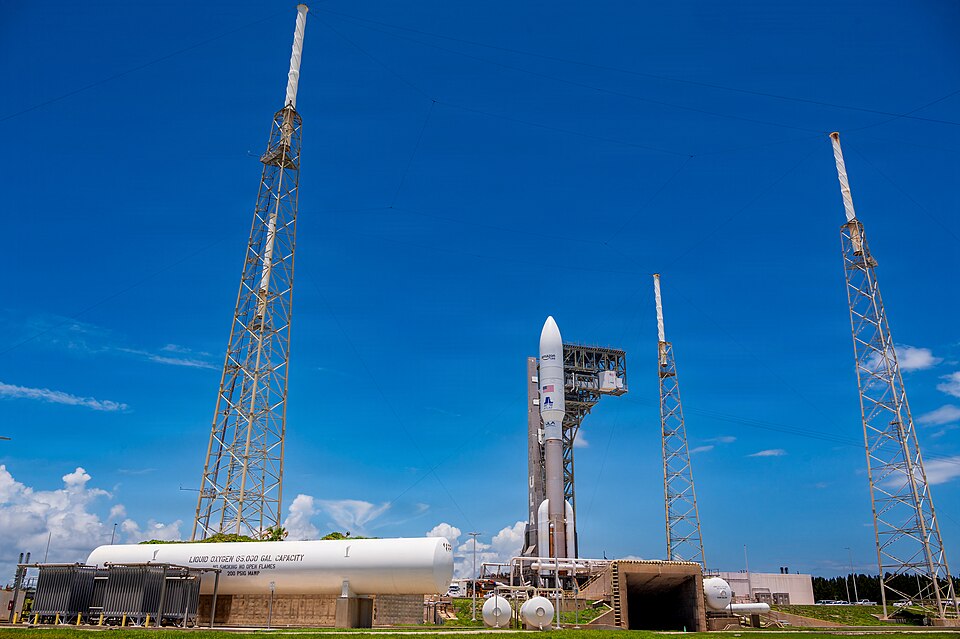
Light Reading separately examined the scope of the clearance and future competition in satellite-to-phone connectivity. The FCC order does not announce a closing date, so the next milestone is confirmation that Amazon and Globalstar complete the transaction. The photograph shows a rocket prepared for an Amazon Leo mission in Florida in July 2026. It is an archive image and does not depict the FCC proceeding or Globalstar assets. [1][2]
Sources
Explore with AI
External tools. Their answers are not editorial content verified by TelcoBrief and may contain errors.