Europe
Telekom and Nokia measure AI-RAN uplink gain, still in the lab
The companies report a 10–15% uplink throughput gain from AI-based channel estimation in controlled tests in Bonn and Oulu. Field validation remains ahead.
Deutsche Telekom and Nokia said on October 21 that AI-based radio-channel estimation improved uplink throughput by 10–15% in their initial laboratory measurements. Tests took place in Bonn, Germany, and Oulu, Finland, using Nokia commercial 5G RAN software and NVIDIA Aerial RAN Computer. The figure comes from the participating companies and does not describe a performance gain already available to customers. [1][2]
Channel estimation helps a receiver interpret a signal as reflections and obstacles change its path. In this test, an AI model running alongside the radio workload replaced part of the conventional uplink processing. Deutsche Telekom says gains increased under more complex radio conditions, but it has not published a commercial-network measurement that would justify applying the figure more broadly. [1]
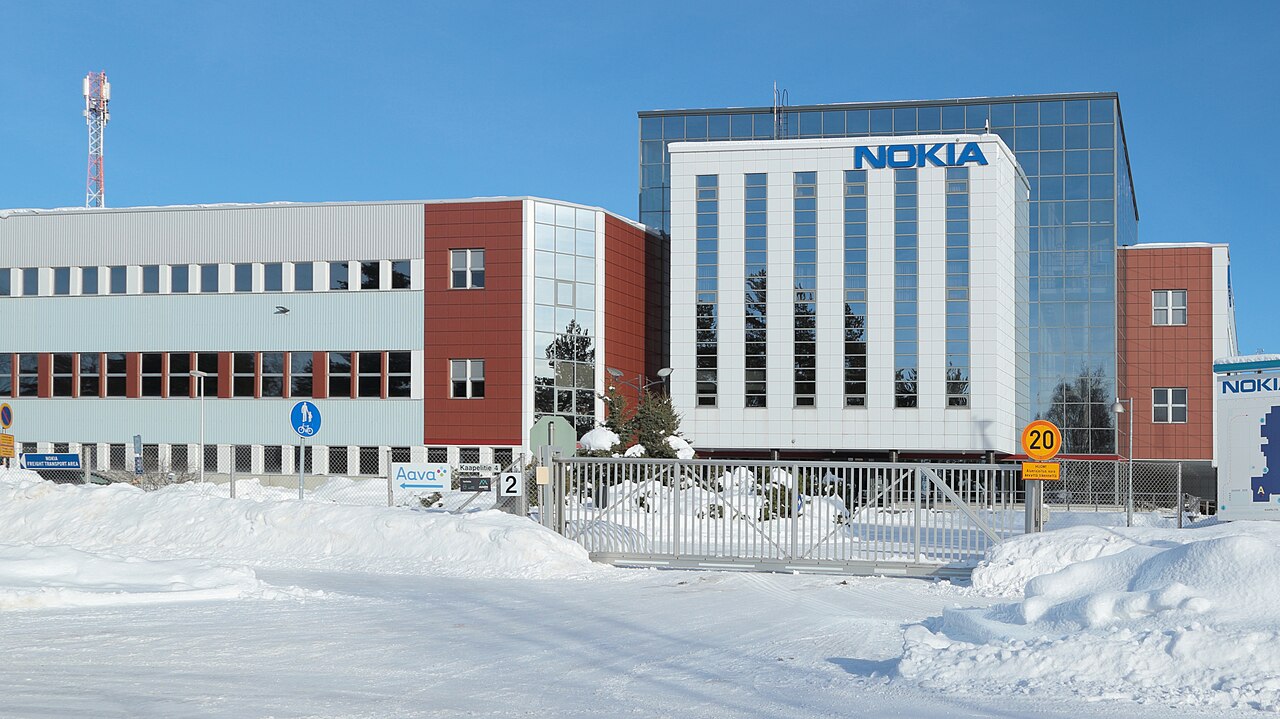
The announced next step is a field trial on commercial systems. 650 Group examined the alliance’s claims and highlighted the gap between demonstrations and deployment. Until field validation, the number should be read as an initial lab result, not a speed promise to users. The archive photograph shows Nokia premises in Oulu in 2022; it does not depict this test. [1][2]
Sources
Explore with AI
External tools. Their answers are not editorial content verified by TelcoBrief and may contain errors.