The business has about 85,000 active subscribers. Price depends on customers and revenue, while completion remains subject to conditions and approvals.
The formal assignments could support capacity and coverage. The blocks run for four and five years from November 1; the award does not mean a new network is already live.
The companies announced a planned rollout using Telecall’s 3.5 GHz licence, with fixed wireless broadband among its aims. They gave no launch date or count of live sites.
The trial ran at Paddington while the site served customers. The figure is the operator’s reported result; no timetable for a network-wide rollout was announced.
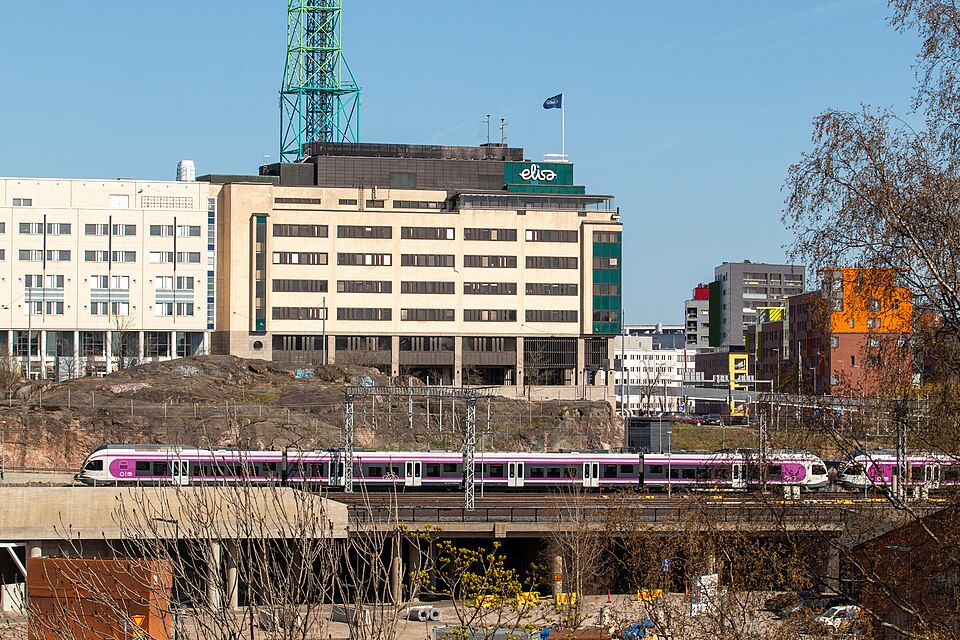
The live-network trial combined radio functions with an AI application. Elisa aims to validate commercial benefits in 2027; no customer improvement at scale has been shown.
A provisional proposal allocates €12.24m to Orange and €5.21m to Telefónica for 129 sites. Applicants can still respond; this is not deployed coverage.
The October 15 demonstration combined radio sensing, acoustic sensors and 5G data transport. It was a test in Kraków, not a deployed surveillance system.
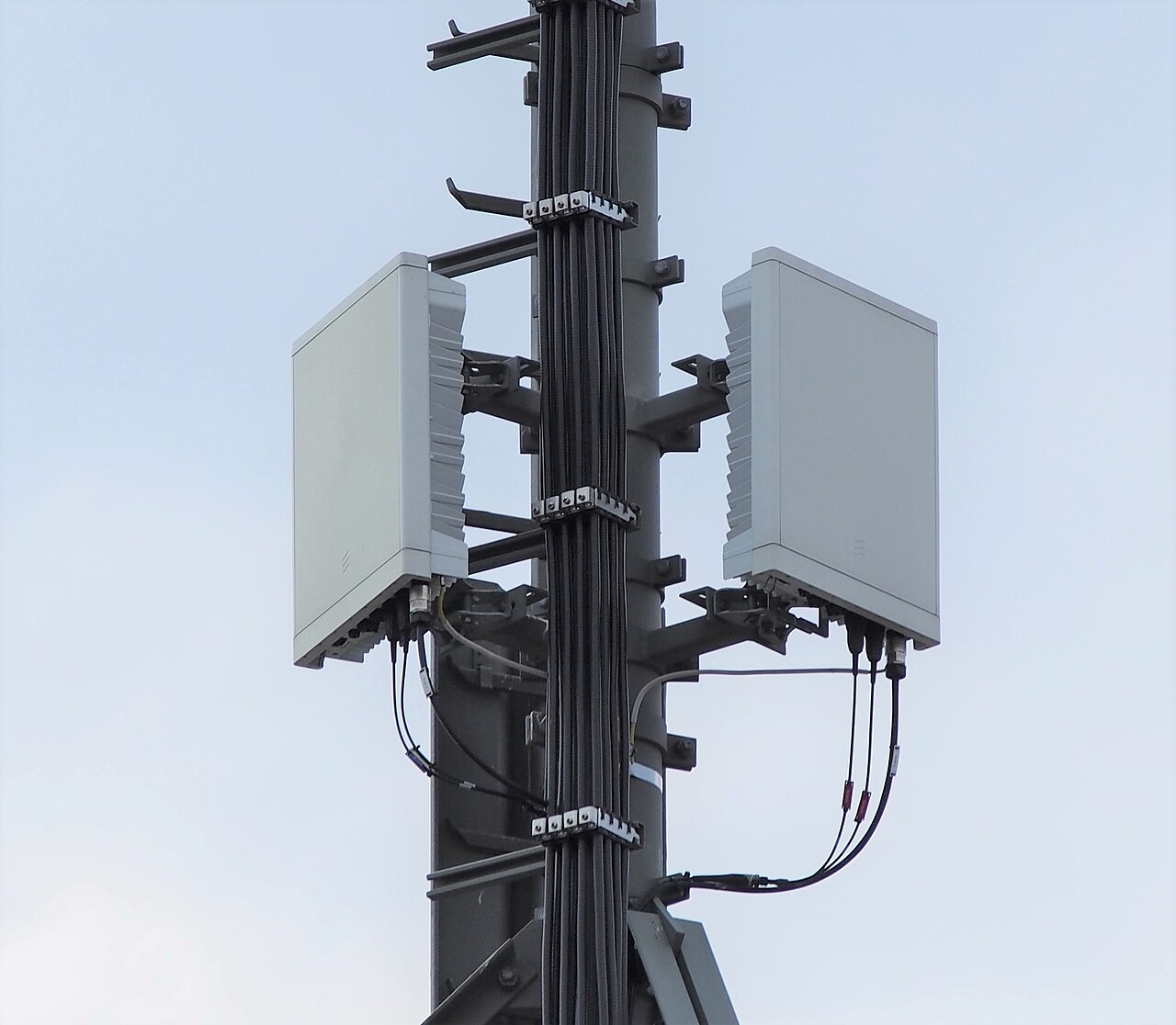
The companies report a 10–15% uplink throughput gain from AI-based channel estimation in controlled tests in Bonn and Oulu. Field validation remains ahead.
The operators signed a memorandum to explore secure networks and digital services. They tested 5G integration at REPMUS but announced no awarded contract or commercial rollout.
CNMC reports 61.1% annual growth and a 24.6% traffic share in the second quarter of 2026. The figures measure data volumes, not 5G coverage or subscriber numbers.